
Stay Informed with Expert
The content provided on this blog is for educational purposes only and does not constitute legal advice. Battle Ready Claim Solutions is not affiliated with or endorsed by the U.S. Department of Veterans Affairs.
Guidance, Updates, and Insights for Veterans Navigating VA Claims
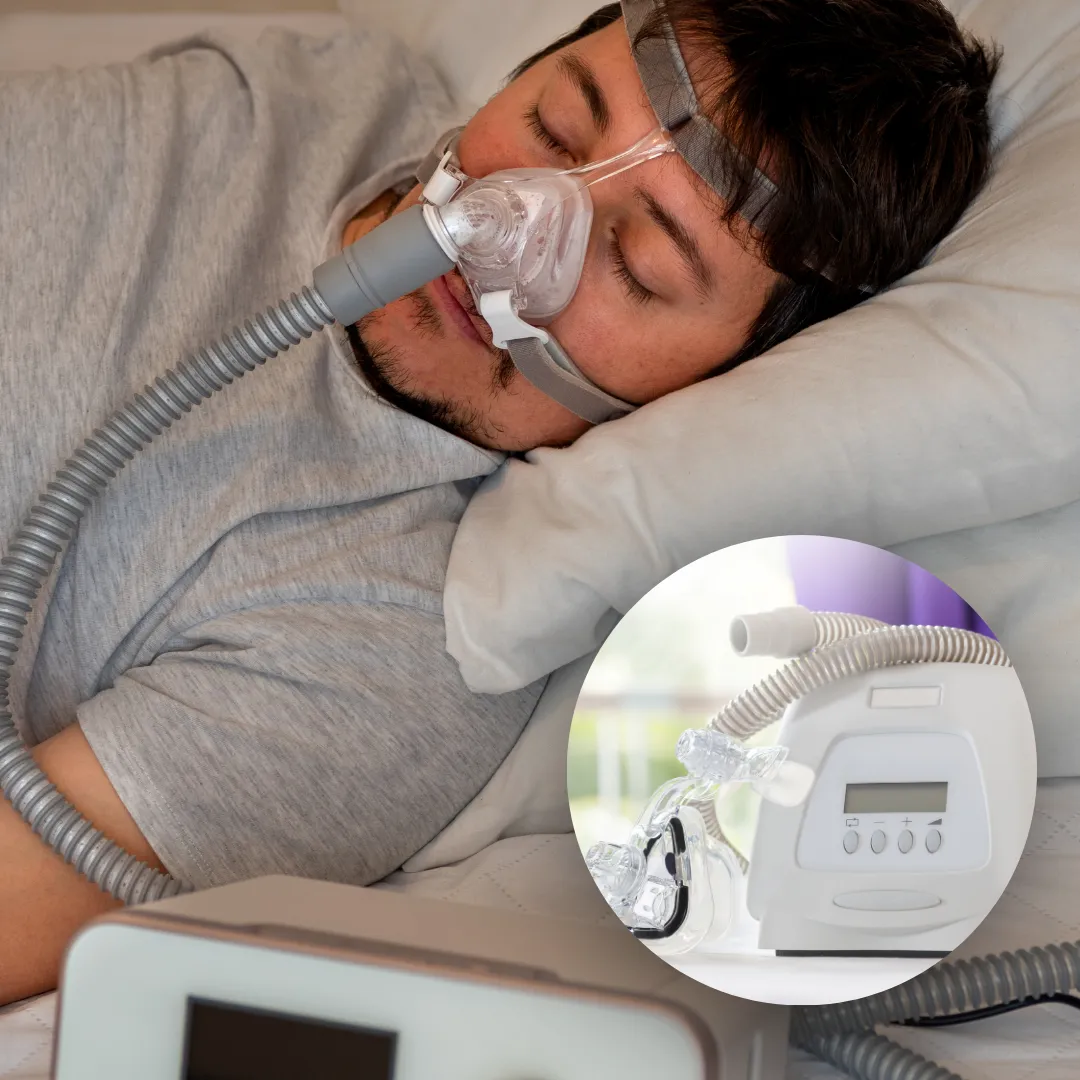
How to Connect Sleep Apnea to Military Service for VA Disability Benefits
Many veterans are diagnosed with sleep apnea after they leave the military — often because the symptoms were missed, untreated, or only formally confirmed later through a sleep study. A delayed diagnosis does not automatically disqualify you from VA disability benefits. What matters most is whether your condition can be connected to your military service or to another service-connected disability.
We know sleep apnea claims can be difficult because the VA often focuses heavily on medical evidence and the strength of the connection to service. The good news is that many veterans can still build a strong case with the right documentation and a clear strategy.
What Does “Service Connection” Mean for Sleep Apnea?
To receive VA disability compensation for sleep apnea, the VA must see a clear link between your diagnosis and your military service. In general, there are three possible paths:
1. Direct Service Connection
This applies when your sleep apnea symptoms began during service or can be traced back to an in-service event, illness, injury, or exposure.
To support a direct claim, veterans typically need:
A current diagnosis of sleep apnea
Evidence of an in-service event, illness, injury, or symptoms
A medical nexus linking the current diagnosis to service
Even if sleep apnea was not formally diagnosed while on active duty, a claim may still be supported if symptoms began during service and continued after discharge.
2. Secondary Service Connection
For many veterans, this is one of the most realistic ways to pursue a sleep apnea claim.
A secondary claim means your sleep apnea developed because of — or was worsened by — another service-connected condition, such as:
PTSD
Chronic sinus conditions
Rhinitis
Weight gain related to a service-connected disability
Other respiratory or orthopedic issues that impact sleep or airway function
To support a secondary claim, veterans generally need:
A current diagnosis of sleep apnea
A primary service-connected condition
Medical evidence or a nexus opinion showing the connection
3. Service Connection by Aggravation
If you had sleep apnea or sleep-related issues before service, but your military duties, deployments, exposures, or service conditions made it worse, the VA may consider service connection based on aggravation.
This can apply when the condition clearly increased in severity because of military service.
What Evidence Helps Strengthen a Sleep Apnea VA Claim?
Sleep apnea claims are often won or lost based on the quality of evidence.
1. Sleep Study and Medical Records
A current diagnosis is essential. A sleep study is often the foundation of a strong claim because it confirms the condition and helps document severity.
Helpful medical evidence may include:
Sleep study results
Treatment records
CPAP prescription or usage documentation
Provider notes about fatigue, daytime sleepiness, snoring, or breathing interruptions
Records showing symptoms during or shortly after service
Records showing symptoms such as loud snoring, breathing pauses, chronic fatigue, and daytime sleepiness during or soon after service can be especially valuable.
2. Buddy Statements
Sometimes medical records don’t tell the full story.
Statements from a spouse, family member, roommate, or fellow service member can help show:
Loud snoring
Gasping or choking during sleep
Witnessed breathing interruptions
Daytime fatigue or changes in functioning
How long symptoms have been present
Buddy statements can help fill gaps in the record and show how the condition affects daily life, work, and relationships.
3. Disability Benefits Questionnaire (DBQ)
A DBQ can help clearly document:
Diagnosis
Symptoms
Severity
Treatment requirements
Functional impact
A DBQ alone may not prove service connection, but it can strengthen your claim by clearly outlining the medical picture.
4. Nexus Letter
A nexus letter can be one of the most important pieces of evidence in a sleep apnea claim.
This is a written medical opinion from a qualified provider explaining:
Why your sleep apnea is linked to service, or
Why it is caused or aggravated by another service-connected condition
A nexus letter is not always required, but in many cases, it can make the difference between approval and denial, especially when the VA questions the connection to service.
Why Are So Many Sleep Apnea Claims Denied?
Sleep apnea claims can be challenging because the VA often denies them for reasons like:
No current diagnosis
Weak or missing medical evidence
No clear link to service
Missing or weak nexus opinion
Incomplete forms or poor documentation
This is why strategy matters. Veterans often have a real condition, but the file itself doesn’t clearly tell the story in a way the VA can approve.
What to Do If Your Sleep Apnea VA Claim Was Denied
A denial does not always mean the claim is over.
If your sleep apnea claim was denied, possible next steps may include:
Filing a Supplemental Claim with new and relevant evidence
Requesting a Higher-Level Review
Appealing to the Board of Veterans’ Appeals
Before appealing, it’s important to review why the claim was denied. In many cases, the strongest next move is to correct the missing piece — whether that’s a stronger nexus letter, additional medical evidence, or better documentation of symptoms.
If you were diagnosed with sleep apnea after service, that alone does not mean you’re out of options.
Many veterans can still establish service connection by showing:
symptoms began during service,
the condition is linked to an in-service event or exposure, or
sleep apnea developed secondary to another service-connected disability.
Need Help Understanding Your Benefits?
We help veterans better understand VA disability ratings, compensation, evidence requirements, and the claims process so they can move forward with greater confidence.
No commitment. No pressure. Just answers.
Quick links
Receive VA updates , newsletters & more!
© Battle Ready Claim Solutions. 2026. All Rights Reserved.
The information provided in this Resources section is for educational purposes only and does not constitute legal advice. Battle Ready Claim Solutions is not affiliated with or endorsed by the U.S. Department of Veterans Affairs.