Stay Informed with Expert
The content provided on this blog is for educational purposes only and does not constitute legal advice. Battle Ready Claim Solutions is not affiliated with or endorsed by the U.S. Department of Veterans Affairs.
Guidance, Updates, and Insights for Veterans Navigating VA Claims
VA Disability Rating for Ringing in the Ears: What Veterans Need to Know About Tinnitus Claims
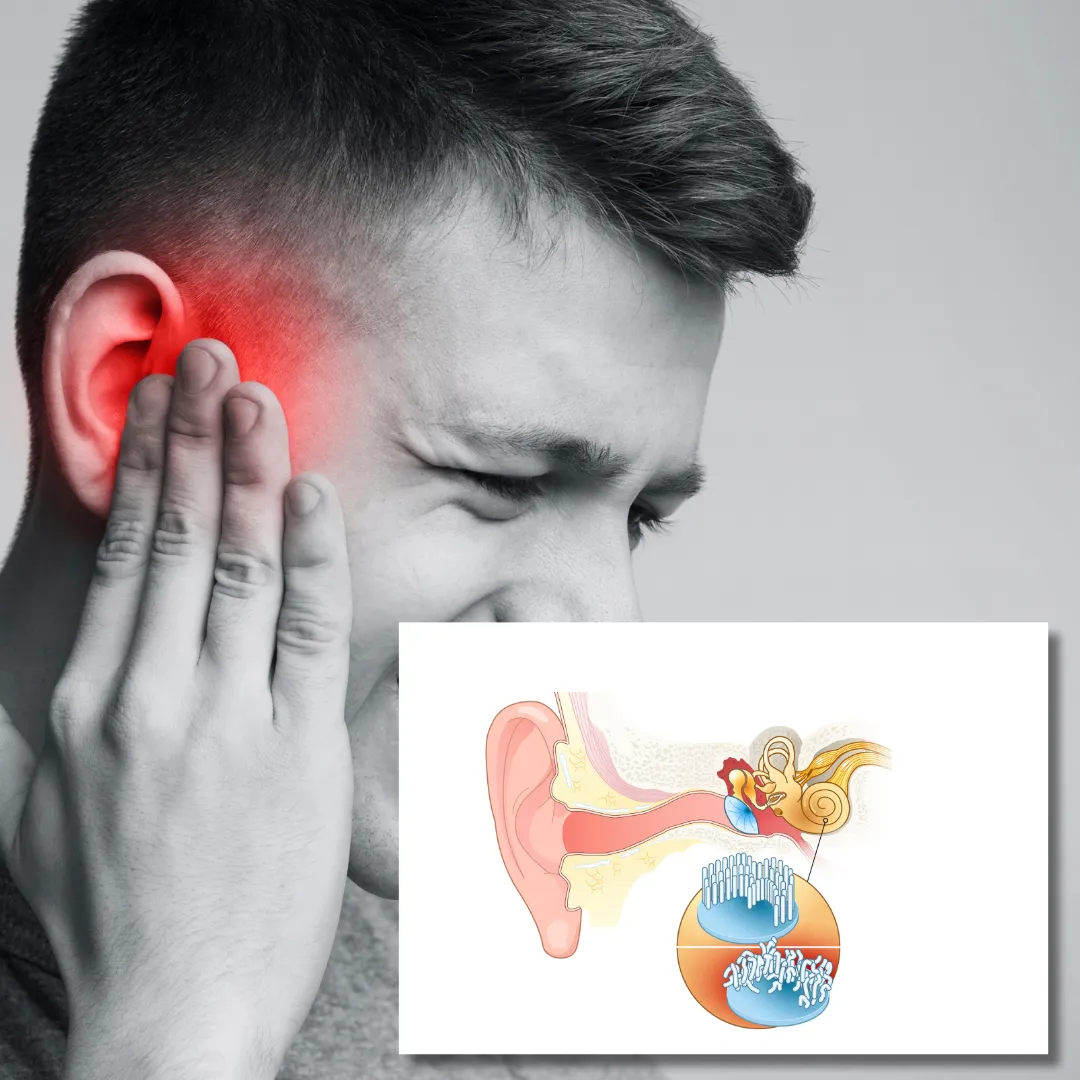
Ringing in the ears — commonly known as tinnitus — is one of the most common conditions veterans deal with after military service. For some, it sounds like ringing. For others, it may feel like buzzing, hissing, clicking, or a constant high-pitched tone that never fully goes away.
If you’re a veteran dealing with this condition, you may be wondering: Can I get VA disability for ringing in the ears? The answer is yes — but it’s important to understand how the VA rates tinnitus and what it takes to build a strong claim
What Is Tinnitus?
Tinnitus is the perception of sound when there is no external sound source. It is often described as:
Ringing
Buzzing
Hissing
Whistling
Clicking
Roaring
According to the U.S. Department of Veterans Affairs, tinnitus is a very common issue among veterans and is considered the most prevalent service-connected disability among veterans. VA also notes that harmful noise exposure during service — including gunfire, explosives, aircraft, and heavy machinery — can cause or contribute to tinnitus.
For many veterans, tinnitus is more than just an annoyance. It can affect:
Sleep
Concentration
Stress levels
Emotional health
Work performance
Overall quality of life
VA research also notes that tinnitus can create insomnia, emotional strain, social difficulties, and workplace challenges in more severe cases.
What Is the VA Disability Rating for Ringing in the Ears?
The VA rates tinnitus under 38 C.F.R. § 4.87, Diagnostic Code 6260. Under the current rating schedule, recurrent tinnitus receives only one schedular rating: 10%. That 10% applies whether the ringing is in one ear or both ears.
Important to Know:
The maximum schedular VA rating for tinnitus is 10%
There is no separate 10% for each ear
There is no higher standard rating under Diagnostic Code 6260
This is one of the most misunderstood parts of tinnitus claims. Many veterans assume that if both ears are affected, the rating should be higher. Under the current rules, the VA still caps tinnitus at 10% total.
Why Is Tinnitus So Common in Veterans?
Military service often involves repeated exposure to loud or damaging noise, such as:
Gunfire and weapons systems
Artillery and explosions
Aircraft and flight lines
Heavy equipment and generators
Combat environments
Mechanical or industrial workspaces
VA’s public health resources specifically state that noise exposure during military service can cause or contribute to both hearing loss and tinnitus. VA also notes that high-intensity vibration exposure from machinery or heavy equipment can contribute to tinnitus as well.
Because of this, tinnitus is especially common among veterans who served in:
Combat roles
Aviation
Artillery
Armor
Engineering
Motor transport
Maintenance or mechanic positions
How to Qualify for VA Disability for Tinnitus
To win a tinnitus claim, the VA generally needs to see three core elements:
1. A Current Diagnosis or Credible Report of Symptoms
Tinnitus is often considered a subjective condition, meaning there usually isn’t a single test that “proves” it the same way an X-ray proves a fracture. In many cases, the veteran’s credible report of persistent ringing or buzzing is a major part of the evidence. Because tinnitus is commonly subjective, detailed symptom reporting is especially important.
2. An In-Service Event, Exposure, or Cause
This means showing something during service that could reasonably explain the condition, such as:
Loud noise exposure
Blast exposure
Weapons training
Aircraft noise
Mechanical or industrial noise
Ear trauma or head injury
3. A Nexus (Connection to Service)
The VA must be able to connect your current tinnitus to your military service. This can come from:
A favorable C&P exam opinion
Service records showing hazardous noise exposure
A private medical opinion or nexus letter
A strong personal statement explaining when symptoms began and how they continued
What Evidence Can Strengthen a Tinnitus VA Claim?
Tinnitus claims may seem simple because the rating is fixed at 10%, but they can still be denied if the evidence is weak or unclear.
Here are some of the most important pieces of evidence:
1. Personal Statement in Support of Claim
A strong statement can make a major difference. Your statement should explain:
When the ringing started
What type of noise exposure you had in service
Whether hearing protection was limited or ineffective
How often the ringing occurs
How it affects sleep, focus, work, or daily life
Because tinnitus is often subjective, your statement helps the VA understand your experience in your own words.
2. Service Records or MOS Evidence
Your military occupational specialty (MOS), deployments, or duty assignments can help support likely noise exposure.
Examples:
Infantry
Artillery
Aviation crew
Flight line support
Combat engineer
Vehicle mechanic
Armor crewman
Weapons instructor
If your records clearly show you were around hazardous noise, that can help support the in-service event element.
3. Medical Records
While tinnitus may not always show up in older records, it helps if you have:
Audiology evaluations
ENT notes
Hearing-related complaints in treatment records
VA or private provider documentation of ringing in the ears
Even if the diagnosis came after service, post-service medical records can still support the current condition.
4. Buddy Statements
Statements from a spouse, family member, or fellow service member can help confirm:
You complained about ringing in the ears during or after service
The condition has been ongoing for years
The symptoms affect your sleep, mood, or concentration
These statements can be especially helpful when service treatment records are limited.
Can Tinnitus Lead to Other VA Claims?
Yes — and this is where many veterans miss potential value in their claim strategy.
While tinnitus itself is capped at 10%, it can sometimes be connected to secondary conditions that may deserve separate ratings if supported by medical evidence.
Commonly discussed secondary conditions may include:
Sleep problems/insomnia
Anxiety
Depression
Migraines/headaches
Vertigo or balance issues
Hearing loss
Ménière’s disease (in some cases)
That does not mean every veteran with tinnitus automatically qualifies for these. But if tinnitus has contributed to or worsened another condition, it may be worth reviewing the possibility of a secondary service connection strategy. The source article also discusses several of these common secondary paths.
Why Tinnitus Claims Get Denied
Even though tinnitus is common, denials still happen. Some of the most common reasons include:
No clear documentation of noise exposure
VA examiner says symptoms began too long after service
Inconsistent statements about onset
No medical opinion connecting it to service
Weak or incomplete personal statement
Records suggest another non-service-related cause
This is why details matter. The claim file must tell a clear, believable, and evidence-supported story.
What to Expect at the C&P Exam for Tinnitus
If the VA schedules a Compensation & Pension (C&P) exam, be prepared to explain:
When the ringing started
What kind of military noise exposure you had
How often the ringing occurs
Whether it is constant or intermittent
How it affects your sleep, focus, communication, or daily life
Whether symptoms started during service or shortly after
Pro Tip for Veterans:
Be honest, be specific, and do not minimize your symptoms.
Tinnitus is often invisible on paper unless you explain it clearly.
Can the VA Change How Tinnitus Is Rated in the Future?
There has been discussion in the veterans community about possible changes to how tinnitus could be rated in the future. Some outside sources note that the VA has proposed changes that could potentially fold tinnitus into underlying conditions instead of rating it separately in some situations. However, as of the current available public rating guidance referenced here, tinnitus is still commonly treated under Diagnostic Code 6260 with a 10% rating for recurrent tinnitus.
Because rating rules can evolve, veterans should always verify the most current criteria before filing or appealing.
If you have constant ringing, buzzing, or hissing in your ears after military service, do not ignore it.
Tinnitus may be one of the most common VA disability claims, but that doesn’t mean it should be treated casually. A strong claim still depends on:
Clear symptom reporting
Credible service-related noise exposure
Consistent medical and personal evidence
A solid strategy before filing or appealing

Need Help Understanding Your Benefits?
We help veterans better understand VA disability ratings, compensation, evidence requirements, and the claims process so they can move forward with greater confidence.
No commitment. No pressure. Just answers.
Quick links
Receive VA updates , newsletters & more!
© Battle Ready Claim Solutions. 2026. All Rights Reserved.
The information provided in this Resources section is for educational purposes only and does not constitute legal advice. Battle Ready Claim Solutions is not affiliated with or endorsed by the U.S. Department of Veterans Affairs.