
Stay Informed with Expert
The content provided on this blog is for educational purposes only and does not constitute legal advice. Battle Ready Claim Solutions is not affiliated with or endorsed by the U.S. Department of Veterans Affairs.
Guidance, Updates, and Insights for Veterans Navigating VA Claims
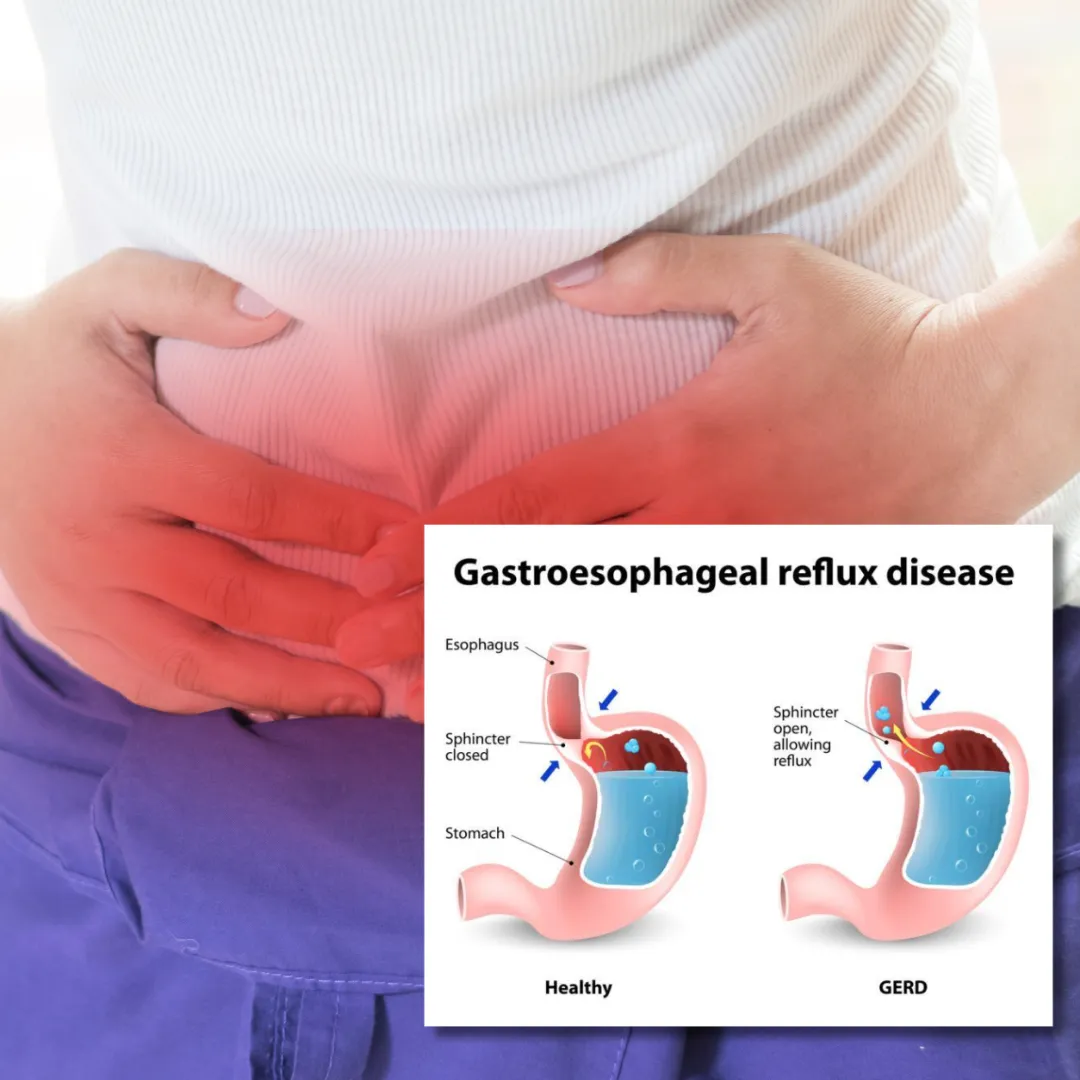
GERD Secondary to PTSD VA Claim Guide for Veterans | Battle Ready Claim Solutions
For many veterans, Post-Traumatic Stress Disorder (PTSD) doesn’t just affect mental health, it can also impact the body in serious ways. One condition that often gets overlooked is Gastroesophageal Reflux Disease (GERD).
If you’re a veteran dealing with chronic acid reflux, heartburn, regurgitation, chest discomfort, or digestive issues, and you already have a service-connected PTSD rating, you may be eligible to file GERD as a secondary VA disability claim. The key is proving the connection.
What Is GERD?
Gastroesophageal Reflux Disease (GERD) is a chronic digestive condition where stomach acid frequently flows back into the esophagus. This can cause symptoms such as:
Persistent heartburn
Acid reflux
Regurgitation
Trouble swallowing
Chest discomfort
Chronic sore throat
Nausea
Sleep disruption due to reflux
GERD is a common digestive condition among veterans, and notes that service-related stress, toxic exposures, and medication side effects can contribute to long-term gastrointestinal problems.
Can GERD Be Secondary to PTSD?
Yes—GERD can potentially be service-connected as secondary to PTSD.
According to the source material, PTSD can affect the digestive system through:
Chronic stress and anxiety, which may increase stomach acid production
Physiological changes that can worsen digestive function
PTSD medications (such as certain antidepressants/SSRIs), which may trigger or aggravate reflux symptoms
The veterans with PTSD may experience increased acid production and digestive disruption over time, which can contribute to GERD symptoms or make them worse. They also cite a veteran-focused study showing a strong association between PTSD and GI symptoms.
Important Note
A secondary claim does not require that PTSD be the only cause of your GERD. It may still qualify if your PTSD caused or aggravated the condition.
How the VA Views Secondary Service Connection
To win a secondary claim, the VA generally wants to see three essential elements:
1. A Current Diagnosis of GERD
You need medical documentation showing you currently have GERD.
This can come from:
VA medical records
Private treatment records
GI specialist notes
Medication history
Diagnostic testing (if available)
The current diagnosis is a foundational requirement for secondary service connection.
2. A Service-Connected Primary Condition
You must already have a service-connected PTSD rating (or be in the process of proving it).
The source explains that for secondary claims, the veteran needs evidence of a current service-connected disability rated at 0% or higher that can serve as the primary condition.
3. A Medical Nexus
This is where many veterans get stuck.
A nexus is medical evidence showing your GERD is “at least as likely as not” caused or aggravated by your PTSD (or by medications used to treat PTSD). The strong nexus letter from a qualified provider can be one of the most important pieces of evidence in a GERD secondary claim.
Why So Many Veterans Miss This Claim
Many veterans don’t realize their digestive symptoms may be tied to their mental health condition.
Common reasons this claim gets overlooked:
They assume GERD is “just diet-related”
They don’t realize PTSD can affect the digestive system
They don’t connect medication side effects to acid reflux
They file GERD as a direct claim instead of a secondary claim
They submit the claim without strong medical evidence
That’s where strategy matters.
We help veterans stop guessing and start filing with a purpose.
How GERD Is Rated by the VA
The updated VA rating criteria for GERD use Diagnostic Code 7206, with possible ratings of:
0%
10%
30%
50%
80%
They explain that ratings depend on severity of symptoms, treatment requirements, and documented medical findings, including issues like dysphagia (difficulty swallowing), daily medication use, esophageal dilations, or more severe complications.
Why This Matters
The VA does not simply rate you because you have reflux.
They rate you based on:
How often do symptoms occur
How severe the symptoms are
Whether you require daily medication
Whether swallowing is affected
Whether symptoms interfere with sleep, nutrition, or quality of life
Whether there are complications or advanced treatment needs
Evidence That Can Strengthen a GERD Secondary Claim
If you’re filing GERD secondary to PTSD, strong documentation can make all the difference.
Helpful Evidence May Include:
GERD diagnosis from a qualified medical provider
Treatment records for acid reflux or GI symptoms
Prescription history (especially PPIs, antacids, H2 blockers)
Records showing PTSD treatment and medications
Symptom journal documenting frequency and severity
Lay statements from spouse/family about daily impact
GI specialist notes
A nexus letter explaining how PTSD or PTSD medications caused/aggravated GERD
The nexus letter should explain the medical reasoning, reference your symptom history, and connect GERD to PTSD or its treatment.
What About PTSD Medications?
This is a major opportunity many veterans miss.
The source notes that SSRIs and other antidepressants used to treat PTSD may worsen reflux symptoms or contribute to digestive issues in some veterans. It also discusses “medication side effects” as a valid pathway in certain secondary-claim strategies.
This means your claim may involve:
PTSD directly aggravates GERD
orPTSD medication side effects contributing to GERD
orBoth
That distinction can be powerful when building a claim.
Common Mistakes Veterans Make When Filing GERD Secondary to PTSD
Here are some of the biggest errors we see:
1. Filing Without a Diagnosis
Symptoms alone usually aren’t enough.
2. Assuming the VA Will “Connect the Dots”
They often won’t. If you don’t provide the connection, the VA may deny it.
3. Not Getting a Nexus Letter
This can be the missing piece between “possible” and “provable.”
4. Downplaying Symptoms
If you don’t clearly document frequency, severity, and daily impact, your rating may be lower than it should be.
5. Ignoring Medication Side Effects
If PTSD medications worsen reflux, that may be part of your claim strategy.
Battle Ready Strategy: Don’t Just File—File Smart
We believe veterans should approach VA claims like a mission:
Assess
Review current diagnoses, symptoms, PTSD rating, and treatment history.
Identify
Determine whether GERD should be claimed as:
Secondary to PTSD
Secondary to PTSD medication side effects
Or as part of a broader secondary-claim strategy
Build
Gather the right medical records, symptom evidence, and supporting documentation.
Strengthen
Pursue a strong, credible nexus when appropriate.
Submit with Purpose
Don’t send in a weak claim and hope for the best. Send in a claim that tells a clear story backed by evidence.
If you’re a veteran living with PTSD and chronic acid reflux, don’t assume it’s unrelated.
GERD secondary to PTSD is a real claim path—but the difference between a denial and a win often comes down to how well the claim is built.
VA Claims Insider’s recent guidance reinforces that veterans may qualify when they can show:
A current GERD diagnosis
A service-connected PTSD condition
And medical nexus evidence showing GERD was caused or aggravated by PTSD or its treatment.
At Battle Ready Claim Solutions, we help veterans understand the strategy behind the paperwork, so they can stop filing blind and start fighting smart.
Need Help With a GERD Secondary Claim?
If you believe your GERD may be secondary to PTSD, don’t leave money and benefits on the table.
Battle Ready Claim Solutions is here to help you:
Understand your options
Identify missed secondary conditions
Build stronger evidence
Approach your claim with confidence
You served. You earned these benefits. Now it’s time to claim them with a battle-ready strategy.

Need Help Understanding Your Benefits?
We help veterans better understand VA disability ratings, compensation, evidence requirements, and the claims process so they can move forward with greater confidence.
No commitment. No pressure. Just answers.
Quick links
Receive VA updates , newsletters & more!
© Battle Ready Claim Solutions. 2026. All Rights Reserved.
The information provided in this Resources section is for educational purposes only and does not constitute legal advice. Battle Ready Claim Solutions is not affiliated with or endorsed by the U.S. Department of Veterans Affairs.